First 100 Customers, Zero Ad Spend: A Month-by-Month Playbook From a Bootstrapped Launch
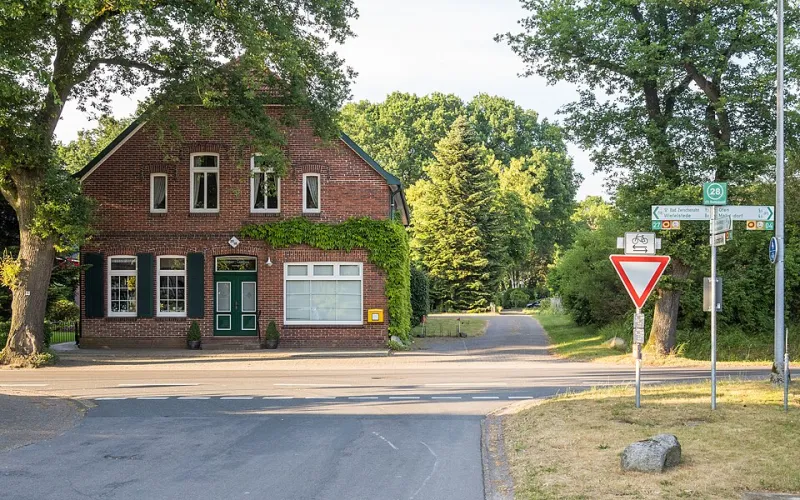
Photo: JoachimKohler-HB, CC BY-SA 4.0, via Wikimedia Commons
Everyone loves to say you need money to make money. In year one of a small business, that's mostly a myth told by people selling ad packages. What you actually need is distribution creativity — the willingness to show up in places your customers already hang out and do unglamorous work consistently.
To stress-test that idea, we mapped out a realistic launch journey for a made-up but representative business: a small-batch hot sauce company based in Austin, Texas, run by one founder with a day job and exactly $0 set aside for advertising. The goal: 100 paying customers in eight months. Here's how it happened, month by month, with honest effort estimates.
Month 1: Get Findable Before You Get Loud
Before any promotion, the founder spent two weekends on the boring stuff: a free Google Business Profile, a simple website built on a no-cost tier, and a verified listing on local directories like Yelp, Thumbtack, and the Austin farmers market vendor index.
Why start here? Because local SEO is the closest thing to free money in marketing. When someone searches "small-batch hot sauce Austin," you want to be the answer before you've spent a cent.
Effort estimate: 10–12 hours, one time.
Months 2–3: Become a Local Name, Not a Website
With the foundation set, the next phase was physical presence. The founder booked a table at two farmers markets and one pop-up at a local brewery — a classic Texas move that cost nothing but booth fees (often under $50) and time.
Each event produced two things: direct sales and, more importantly, Google reviews and local backlinks. The brewery tagged the business on social. A food blogger who stopped by wrote a short post. Those signals compound in local search in a way no $500 ad budget could replicate at that stage.
Effort estimate: 6–8 hours per event, plus prep.
Months 3–5: The Content Nobody Wants to Write (That Wins Anyway)
Here's where most founders quit. Instead of posting product photos into the void, the founder answered questions. Where? Reddit's r/hotsauce, a Facebook group for Texas food lovers, and niche forums like The Hot Pepper community.
The rule was strict: be helpful first, promotional rarely. Posts like "I tested 14 pepper varieties for my first batch — here's what actually grew in Texas heat" earned thousands of views and a steady trickle of website visits. One detailed comment thread drove 40 orders in a single weekend after a user asked for gift recommendations.
Effort estimate: 3–4 hours per week. This is the real price tag — consistency, not cash.
Months 5–6: Partnerships Over Ad Spend
Instead of buying audience attention, the founder borrowed it. Three collaborations did the heavy lifting:
- A local taco shop featured the sauce on a limited menu item — cross-promotion on both parties' channels.
- A subscription gift box for Texas-made goods included a mini bottle, reaching 800 existing subscribers.
- A micro-influencer (about 4,000 followers, a food-focused Texan) traded product for a reel — no cash involved.
Each partnership cost product, not dollars. Combined, they accounted for roughly 30 of the first 100 customers.
Effort estimate: 10–15 outreach emails per deal; expect a 20% reply rate.
Months 7–8: Email Ties It All Together
Every customer, market visitor, and forum interaction fed a free email list built on a no-cost tier of an email platform. A monthly note — new batches, farmers market dates, a pepper-growing update — kept past buyers coming back. By month eight, repeat purchases made up a third of all orders.
This echoes something we've said before at WebGain: the email list is the only audience you actually own. Algorithms fluctuate; inboxes don't.
Effort estimate: 2 hours per month.
The Final Tally
By the end of month eight, the numbers looked like this:
- Farmers markets and pop-ups: ~35 customers
- Forums and community content: ~25 customers
- Partnerships and cross-promotions: ~30 customers
- Local search and directory traffic: ~10 customers
Total ad spend: $0. Total hours invested: roughly 180. That's the honest exchange rate — creativity and elbow grease on one side, paid advertising on the other.
What This Means for Your Year One
Three takeaways transfer to almost any US small business, hot sauce or otherwise:
- Local SEO first, always. It's the cheapest compounding asset you'll ever build.
- Communities reward usefulness, not pitches. Spend your first months answering, not announcing.
- Partnerships are the poor founder's ad network. One email to a complementary local business can outperform a week of boosted posts.
Ads have their place — eventually. But in year one, when every dollar matters, the businesses that win are the ones willing to do the slow, human work first. Your first 100 customers are out there. They just haven't met you yet.