Stop Staring at Pageviews: The Website Numbers That Actually Tell You If You're Making Money
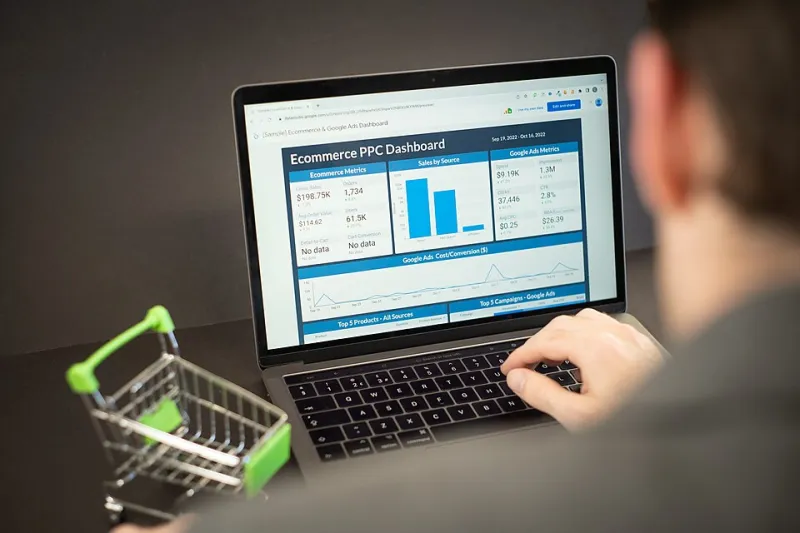
Photo: Zuko.io Images, CC BY 2.0, via Wikimedia Commons
There's a particular kind of self-deception that happens in Google Analytics. Traffic's up 30% this month, the graph is pointing the right direction, and everything feels like it's working. Then the month closes and revenue is... exactly the same as it was before.
If that's happened to you, you're not alone. Most small business owners are tracking numbers that measure attention, not results. And attention, as any American ad executive will tell you over a lukewarm coffee, doesn't pay the bills.
Here's the honest breakdown: seven metrics that actually correlate with money changing hands, and three you can stop checking at midnight.
The Seven That Matter
1. Conversion rate by traffic source. Not overall conversion rate — that hides the story. Break it down by channel and you'll often discover that your biggest traffic source converts worst, while some tiny channel you've been ignoring quietly drives most of your sales.
2. Return visitor rate. New visitors are browsing. Returning visitors are shopping. When someone comes back to your site two, three, five times, they're doing due diligence. A rising return visitor rate is one of the most reliable leading indicators of future revenue there is.
3. Revenue per visitor (not per sale). Average order value flatters you when a few big buyers skew the numbers. Revenue per visitor is the democratized version — it tells you how well your whole site turns browsers into dollars.
4. Scroll depth on money pages. If people bounce off your pricing page halfway down, that's not a traffic problem, it's a page problem. Pair scroll tracking with your key CTAs and you'll see exactly where interest dies.
5. Conversion path length. How many touchpoints does a typical buyer hit before purchasing? If it's five, you know you need content for every stage — not just a landing page and a prayer.
6. Email capture rate. Every visitor who joins your list is a visitor you can market to again for free. A site converting 3% of visitors to subscribers is building an asset; a site converting 0.2% is renting attention.
7. Assisted conversions. Your blog post might not close the sale, but it might start it. Look at which pages appear earlier in converting journeys — that's where your SEO content is quietly earning its keep.
The Three to Ignore
Pageviews. They measure server requests, not business health. A million pageviews from a viral Reddit thread is a fun Tuesday, not a business model.
Follower count. Followers live on someone else's platform and show up in your analytics only as a rounding error of referral traffic.
Bounce rate (in isolation). Sometimes a visitor finds the exact answer and leaves. That's a win, not a failure. Bounce rate only means something in context.
Build One Dashboard, Check It Weekly
You don't need an enterprise analytics setup. A single dashboard — GA4 or a simple Looker Studio report — with those seven numbers, updated weekly, beats a 40-tab analytics rabbit hole you visit quarterly.
Set it up once, review it every Monday morning with your coffee, and ask one question: which number moved, and what did I do last week that caused it?
That habit, repeated over a couple of months, will teach you more about your website than any course ever could. Because the point of analytics isn't collecting data. It's knowing, before the monthly report says so, whether this ship is headed somewhere good.